From November 2–8, 2025, Bioceb students Muhammad Afaq Khan and Şahin Bayar represented the Bioceb Erasmus Mundus Master in Biological and Chemical Engineering for a Sustainable Bioeconomy at the Eco-Innovators Erasmus+ Training held in Brussels, Belgium.
Titled “Next-Gen Sustainability through Science and Innovation,” the program brought together young participants from France, Portugal, Turkey, and Belgium to explore how science, design, and collaboration can drive Europe’s green transition. It served as a platform for students and early-career professionals to exchange ideas, develop practical solutions, and learn how sustainability concepts from one country can be adapted and applied in the context of another.
The training began with an introduction to eco-innovation, sustainable product design, and youth empowerment, followed by hands-on workshops on eco-design and prototyping. Participants explored how innovation connects to education, entrepreneurship, and community impact, working in teams to create project concepts that addressed real environmental and social needs. The sessions encouraged creativity, collaboration, and critical thinking toward building a more sustainable future.
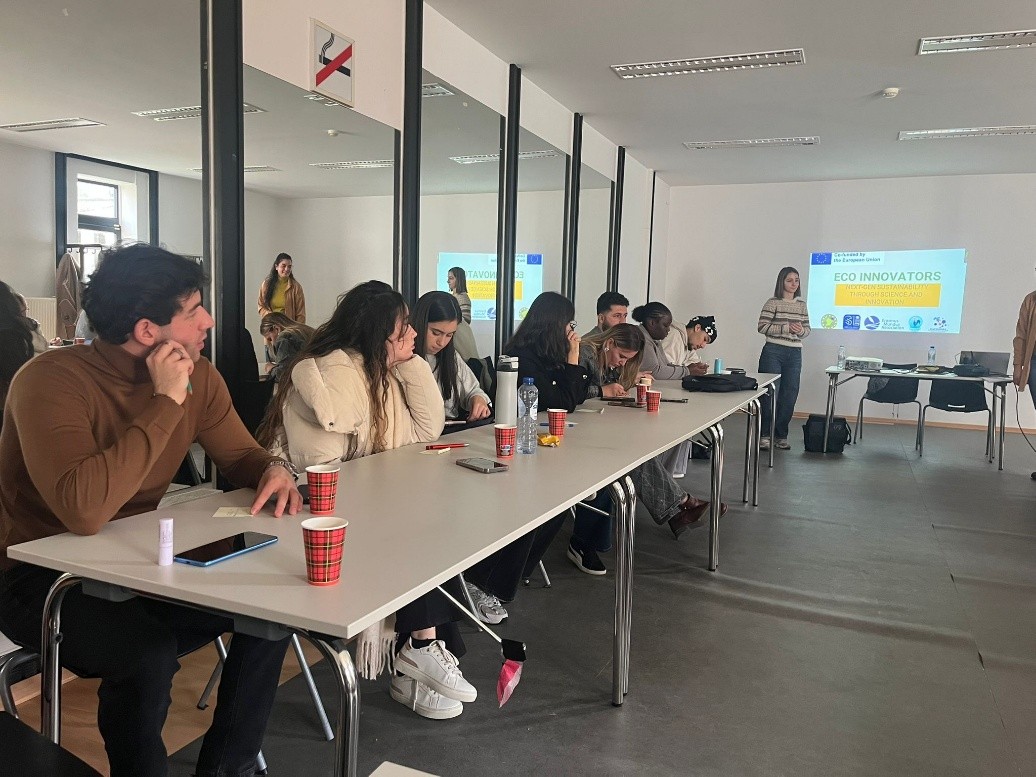
During the event, the Bioceb representatives also introduced and raised awareness about the Bioceb Erasmus Mundus program and green jobs, not only sharing what they had learned but also providing insights into new entrepreneurial ideas and innovations addressing environmental challenges. Their contributions made a significant impact on the training. This exchange helped build connections and inspire interest among students eager to engage in international education and sustainability research.
As Bioceb students, it was clearly observed how much perspectives had evolved since the beginning of the program. Becoming more entrepreneurial, proactive, and solution-oriented appeared as an inevitable outcome of the Bioceb experience. The diverse academic and cultural environments within the program had already fostered critical and creative thinking, yet this training further strengthened that mindset by linking theoretical knowledge to real-world challenges and encouraging the development of practical solutions adaptable to different contexts and countries.
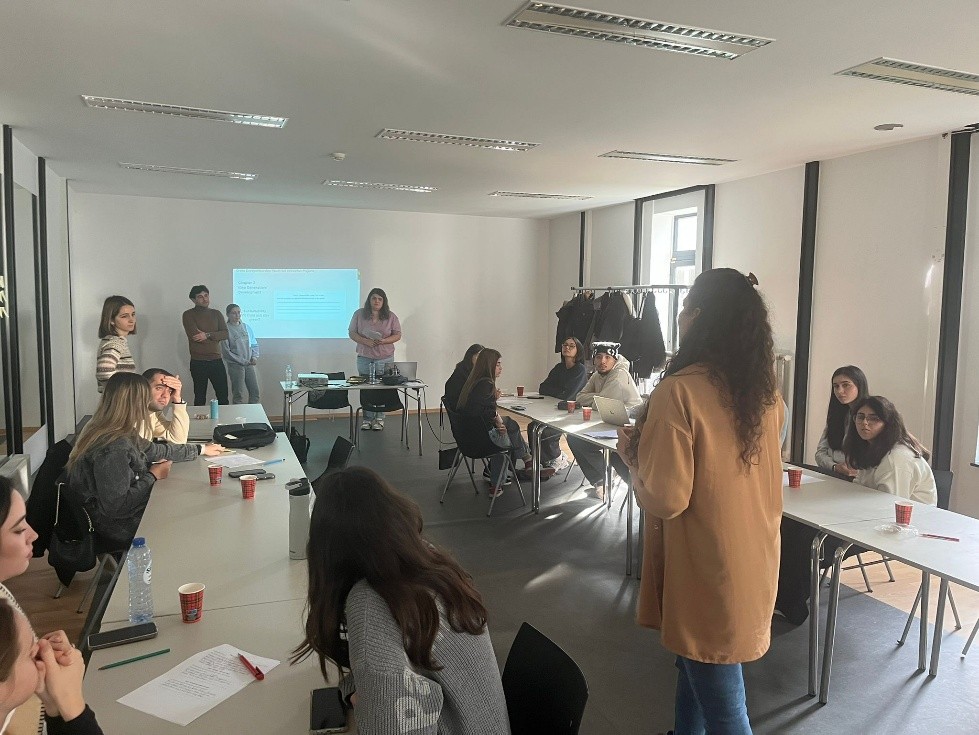
Collaboration with peers from various countries highlighted how interdisciplinary approaches and teamwork can transform innovative concepts into concrete outcomes. The experience once again demonstrated that Bioceb not only provides scientific expertise but also cultivates the ability to act as creative and responsible contributors to the sustainable bioeconomy.
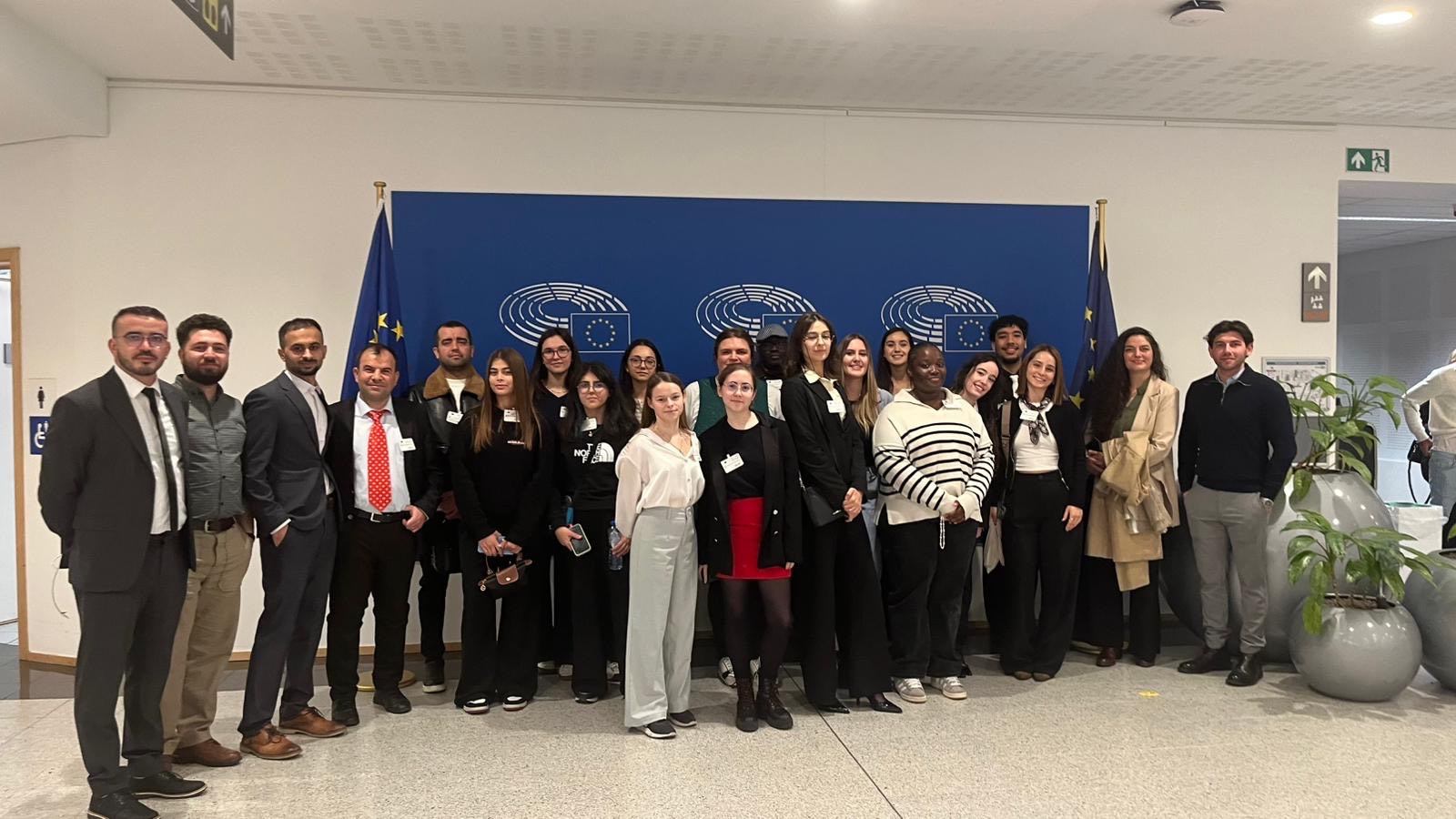
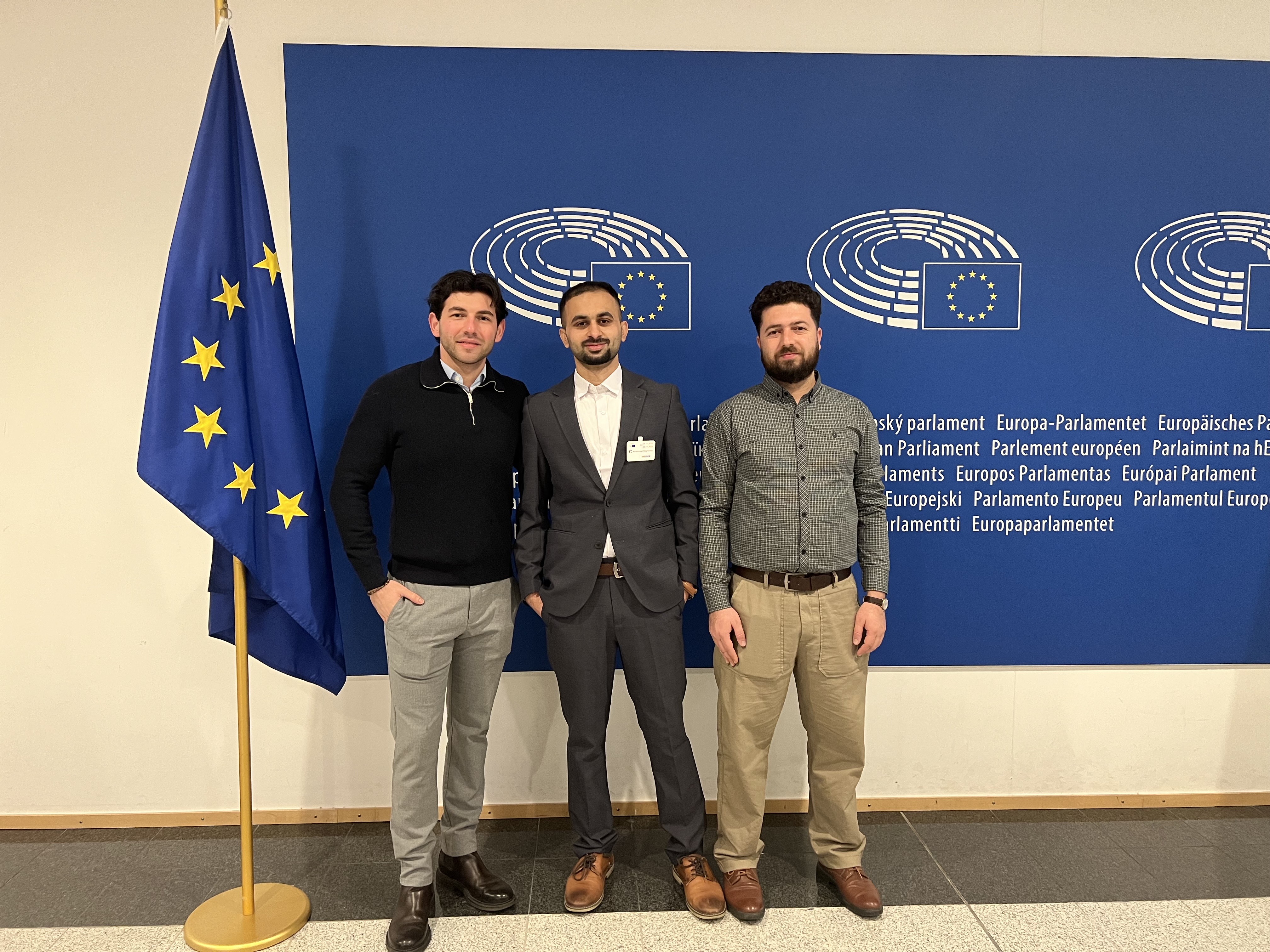
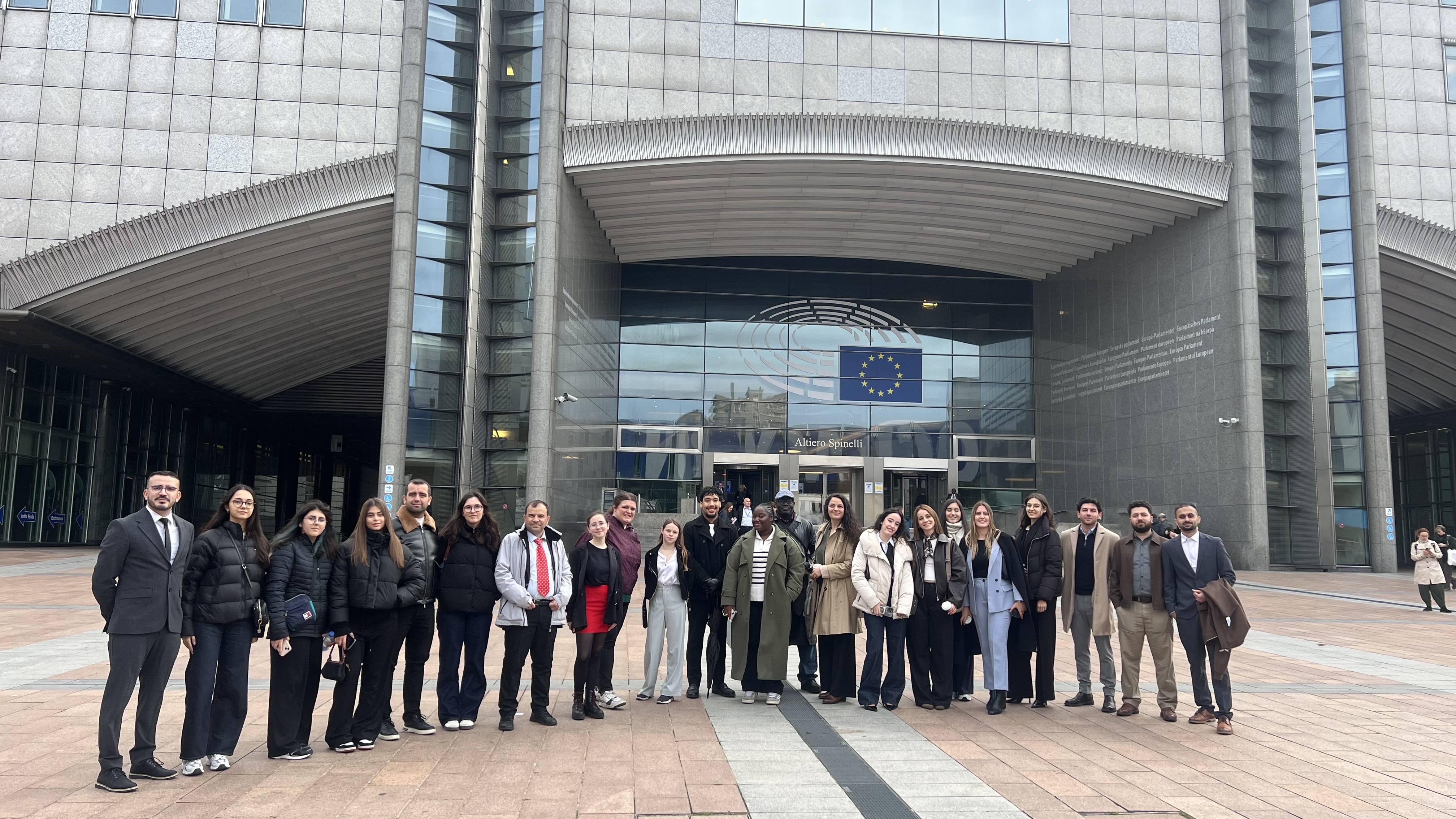
A highlight of the program was the visit to the European Parliament, where participants saw how sustainability and innovation are translated into European policies. For the Bioceb representatives, the visit offered meaningful insight into how science and societal engagement can work hand in hand to support the advancement of sustainable initiatives, foster green innovation and education, and drive the transition toward a more resilient and sustainable way of living.
Updated November 2025