

You have a strong background in biology, and you want to achieve a specialization in biotechnologies to ensure a sustainable global use of biological resources.
You have a degree in chemical engineering with experience in biomass valorization, and you want to contribute to the deployment of the bio-based chemical industry worldwide.
… Bioceb will help you meet your career expectations while offering you an international and intercultural experience in different bioeconomy contexts.
Through the Bioceb programme, you will benefit from synergetic expertise of professors and managers from international companies, all contributing to large-scale collaborative research and innovation projects for the bioeconomy. You will receive a high-level scientific and technological training while developing personal skills, such as your capacity to interact in groups and your adaptability.
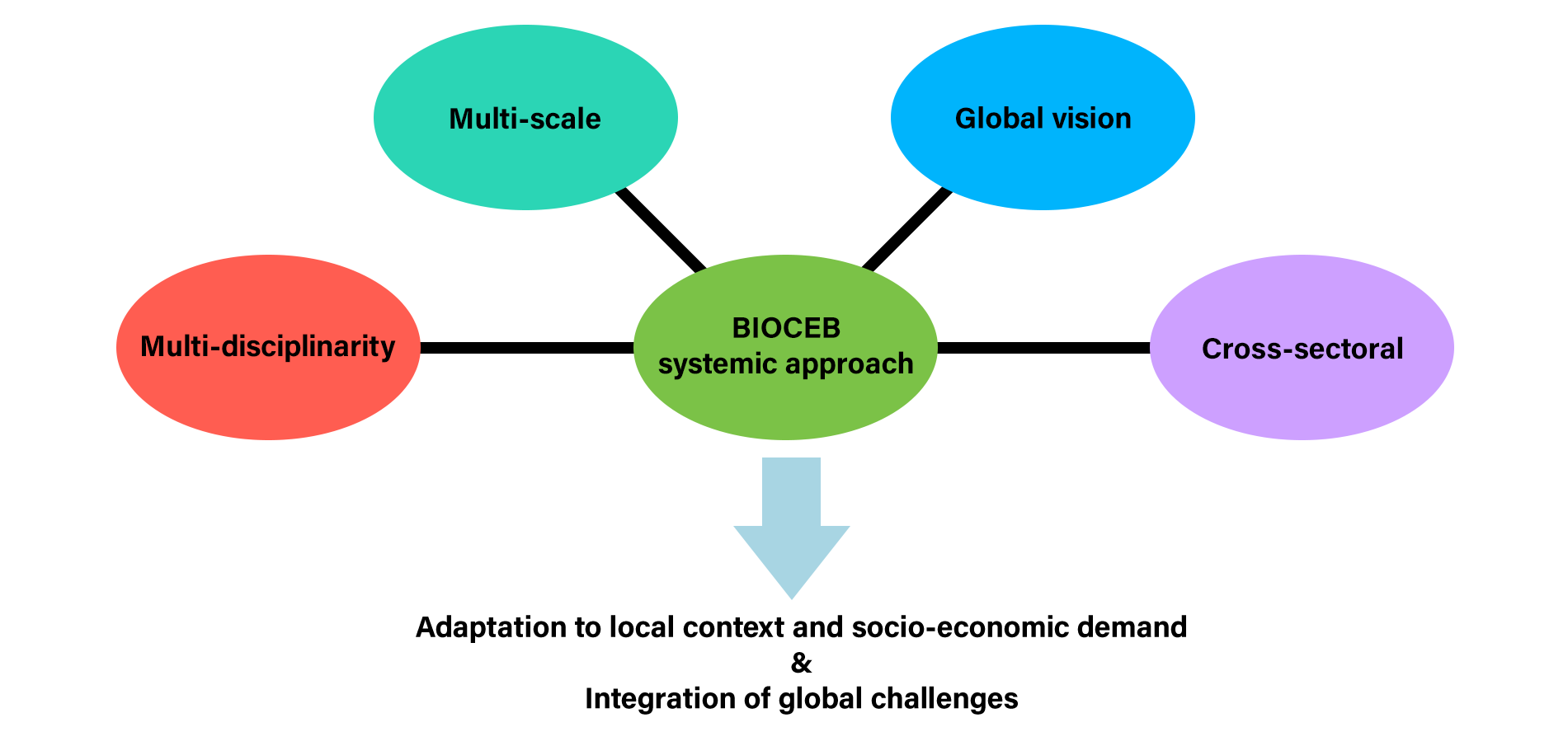
You will be part of a one-of-a-kind programme that addresses all the dimensions of sustainable bioeconomy, covers the value chain (from plant resources to manufactured bioproducts), and focuses on different scales (from the gene to the industrial process and socio-economic environment).
According to your background and your aspirations, you will tailor your own profile thanks to the semester options, the project, and the master’s thesis.
With Bioceb, you will benefit from:
- A top-level Master programme
- A joint experience with students from the 5 continents
- 5 study tracks designed to train tomorrow’s bioeconomy managers
- A curriculum enabling students to find innovative solutions contributing to solve the main world challenges: sustainable development, climate change
- A training fully taking into account the diversity of bioeconomy contexts in Europe and worldwide
- The integration of highly dynamic research and innovation, entrepreneurship and socio-economic local environments.
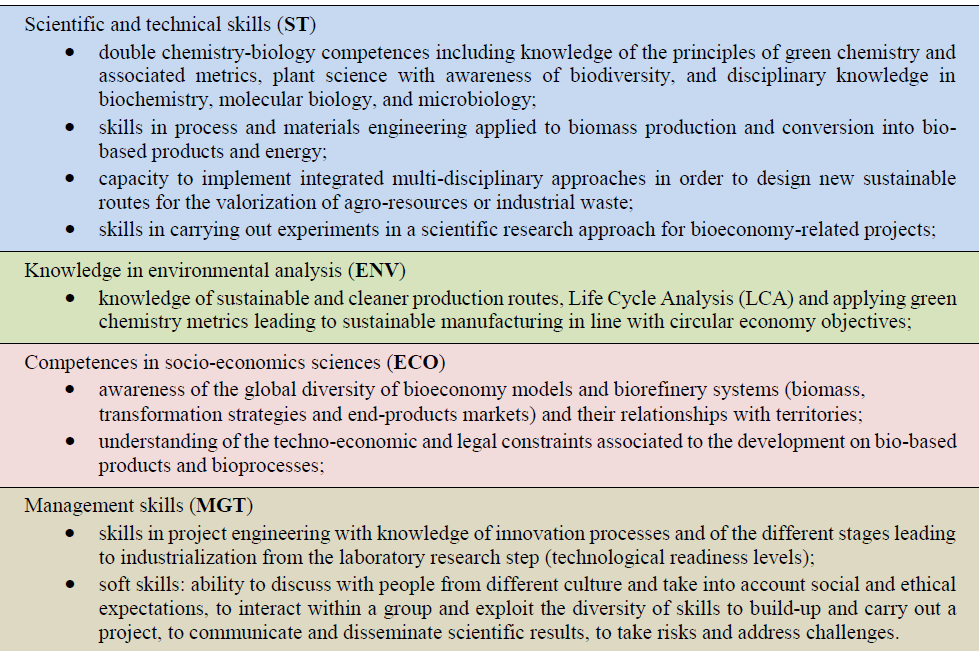
At the end of Bioceb, you will have acquired the following competencies:
Avec une description
Funded by the European Union. Views and opinions expressed are however those of the author(s) only and do not necessarily reflect those of the European Union or the European Education and Culture Executive Agency (EACEA). Neither the European Union nor EACEA can be held responsible for them.
Portfolio
Updated May 2026